

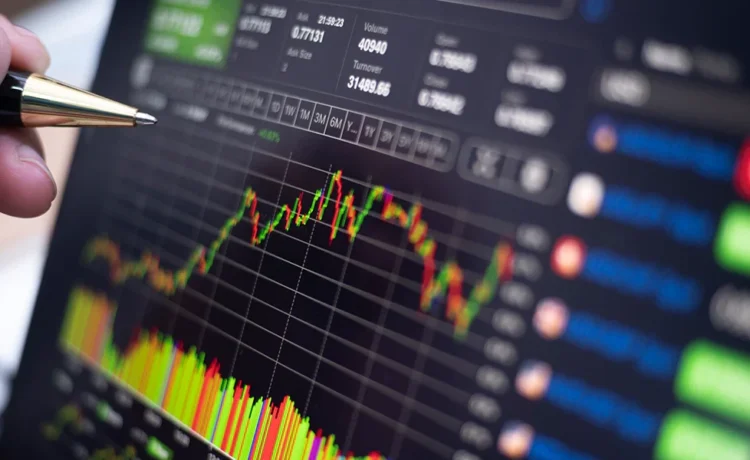
An Intraday Trading App gives traders digital access to short-term market activity where positions are generally opened and closed within the same trading session. Because decisions may need to be made quickly, the platform should provide clear price information, responsive order placement and tools that support risk management.
Intraday trading differs significantly from long-term investing. The objective is usually to respond to shorter-term price movements rather than hold a company for several years. This makes execution quality, position sizing and stop-loss discipline especially important.
A useful app can improve access and organisation, but it cannot remove volatility or guarantee profitable trades.
Intraday Trading Requires A Defined Process
Entering a position because a stock is moving rapidly can create unnecessary risk.
A structured approach may begin with:
- Market selection
- Entry criteria
- Stop-loss level
- Target or exit condition
- Position size
- Maximum daily loss
- Number of trades permitted
The plan should ideally be created before the order is placed.
Avoid Building The Plan After Entry
Once money is at risk, emotions can affect decisions.
A trader may:
- Move a stop-loss farther away
- Exit a profitable position too early
- Add to a losing trade
- Take another trade immediately after a loss
Predefined rules can reduce these reactions.
Live Market Information Should Be Easy To Read
Intraday traders depend on current market information.
A useful app may display:
- Last traded price
- Bid and ask
- Volume
- Day high and low
- Percentage change
- Charts
Price Alone Is Not Enough
A price move should be considered alongside market context.
For example, a breakout occurring with strong volume may behave differently from a move occurring in low liquidity.
Traders should understand what information their strategy actually requires.
Order Types Can Affect Execution
Different order types give traders different levels of price control.
Common examples include:
- Market orders
- Limit orders
- Stop-loss orders
- Other platform-supported order variants
Market Orders Prioritise Execution
A market order generally seeks to execute at the available price.
During fast movement, the actual execution price may differ from the price visible when the order was submitted.
Limit Orders Prioritise Price
A limit order lets the trader specify an acceptable price, but execution is not guaranteed.
The correct choice depends on liquidity and the trading setup.
Stop-Loss Planning Is Central To Intraday Risk
A stop-loss identifies the price level at which the trader intends to exit if the position moves adversely.
Without a defined exit, a small intraday trade can become a much larger loss.
Position Size Should Follow The Stop
Suppose a trader is willing to lose only a fixed amount on one trade.
The position size can then be calculated using:
- Entry price
- Stop-loss distance
- Maximum acceptable loss
This is more disciplined than selecting quantity based only on available capital.
A Trading Platform Should Support The Strategy
Users engaged in Trading may need tools such as watchlists, technical charts, order modification and live position tracking, depending on their strategy.
The app should make these functions easy to access during market hours.
Features Matter Only If They Are Reliable
An app with advanced tools may still be unsuitable if:
- Login is unstable
- Order screens lag
- Position data updates slowly
- Modifications fail during volatility
Reliability should therefore be considered alongside features.
Watchlists Can Reduce Market Noise
Intraday traders often monitor several securities at once.
A focused watchlist can help narrow attention to instruments that meet predetermined conditions.
Possible watchlist categories may include:
- High-volume stocks
- Sector leaders
- Breakout candidates
- Earnings-related stocks
- Index components
Avoid Tracking Too Many Securities
Monitoring dozens of charts can reduce decision quality.
A smaller, more focused list can make it easier to follow setups consistently.
Charts Should Support A Clear Method
An Intraday Trading App may offer multiple chart timeframes and technical indicators.
Useful features may include:
- Candlestick charts
- Volume
- Moving averages
- Support and resistance tools
- Drawing tools
More Indicators Can Create Conflicting Signals
Adding too many indicators can make the chart difficult to interpret.
Traders should use only tools that support their defined setup.
A simple, repeatable method can be easier to review later.
Liquidity Matters For Intraday Trades
Highly liquid securities generally allow easier entry and exit.
Low liquidity can create:
- Wider bid-ask spreads
- Slippage
- Partial execution
- Sudden price jumps
Check Trading Volume
Volume can help indicate whether enough market participation exists for the intended position size.
A stock that looks attractive on a chart may still be difficult to trade efficiently if liquidity is poor.
Transaction Costs Can Add Up Quickly
Intraday strategies can involve frequent transactions.
Possible costs may include:
- Brokerage
- Exchange charges
- Taxes
- Regulatory charges
- Other applicable fees
Net Result Matters More Than Gross Result
A trading strategy should be evaluated after costs.
Frequent small profits can become less meaningful when repeated transaction expenses are included.
This is why overtrading can be expensive even when many individual trades appear successful.
Daily Loss Limits Can Protect Capital
A trader may define a maximum acceptable loss for one trading session.
If that limit is reached, trading stops for the day.
This Can Prevent Emotional Escalation
- Larger positions
- More trades
- Lower-quality setups
- Revenge trading
Stopping after a predefined loss can protect both capital and decision-making quality.
Opening Minutes Can Be Highly Volatile
The first part of the trading session can experience rapid price movement as overnight information is reflected in the market.
Avoid Rushing Into The First Move
Some traders prefer to wait for:
- Initial volatility to settle
- Clear support or resistance
- Stronger volume confirmation
- A defined setup
The right approach depends on the strategy, but impulsive entry can increase risk.
News Events Can Change Intraday Behaviour
Prices can move sharply after:
- Company announcements
- Earnings
- Economic data
- Policy decisions
- Global market developments
News Can Increase Slippage
During sudden events, prices may move faster than expected.
Stop-loss orders may also execute at a different price from the trigger depending on market conditions and order type.
Traders should understand this risk before holding positions through major announcements.
Leverage Can Increase Both Exposure And Risk
Some intraday products may allow higher exposure relative to available capital.
This can magnify both gains and losses.
Available Margin Should Not Determine Position Size
A trader should not automatically use the maximum position permitted by the platform.
Position size should be based on:
- Risk per trade
- Volatility
- Stop-loss distance
- Total trading capital
Using excessive leverage can turn a small market move into a significant account loss.
Trade Journals Can Improve Consistency
A journal helps traders evaluate whether their decisions follow the intended process.
Useful fields may include:
- Date
- Instrument
- Entry
- Exit
- Stop-loss
- Trade reason
- Result
- Mistake
- Screenshot
Track Behaviour, Not Just Profit
A profitable trade may still have been poorly executed.
Similarly, a disciplined trade can end in a loss.
A journal should therefore identify whether the trader followed the plan.
Avoid Converting Intraday Trades Into Investments
A common mistake is holding a losing intraday position longer simply to avoid booking the loss.
This changes the original strategy.
Reassess Before Carrying A Position
Before converting a trade into a longer-term holding, consider:
- Was the company researched fundamentally?
- Was overnight risk considered?
- Does the position fit the investment plan?
- Is the decision based only on avoiding a loss?
Trading and investing should remain separate processes.
Conclusion
An Intraday Trading App can support fast-moving market activity through live data, order tools, charts, alerts and position tracking, but successful use depends more on discipline than speed.
Traders should define risk before entry, control position size, monitor transaction costs and avoid emotional decisions after losses. Investors who prefer a longer-term approach may instead Invest In Stocks based on company fundamentals and financial goals, which requires a different decision-making process from intraday activity.
The strongest intraday approach is one that prioritises risk limits, clear setups and consistent execution rather than trade frequency.
FAQs
1. Why Can Intraday Orders Execute At A Different Price From The Screen?
Prices can move rapidly, especially during volatility, so the available market price may change between order submission and execution.
2. Is A High-Volume Stock Always Suitable For Intraday Trading?
Not automatically. Traders should also consider spread, volatility, price structure and whether the stock fits their strategy.
3. Why Do Traders Set A Maximum Daily Loss?
A daily loss limit can help prevent revenge trading and excessive risk-taking after several unsuccessful trades.
4. Can An Intraday Position Be Carried Overnight?
This depends on the product and platform rules, but carrying a position changes the risk because overnight news and price gaps may affect the next session.
5. Why Should Intraday Traders Track Net Profit Instead Of Gross Profit?
Net profit includes brokerage, taxes and other applicable transaction costs, giving a more realistic picture of trading performance.