
How to choose wisely?
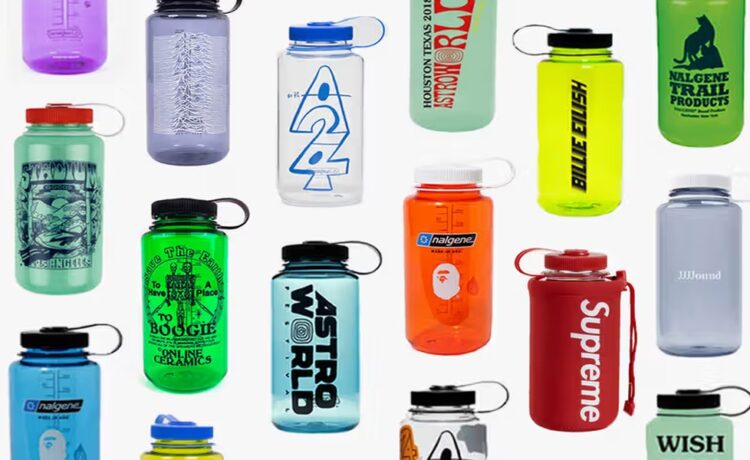
Selecting a water bottle for personal use is rarely as straightforward as picking the first available option. Several practical considerations determine whether a vessel integrates naturally into daily routine or becomes an occasional afterthought left at the bottom of a bag. A custom Nalgene bottle enters this decision with a distinct set of functional characteristics that address common pain points in daily hydration management. A few of these characteristics are capacity, material integrity, and ease of use.
Capacity is often the first variable worth examining. When your activity requires frequent refills, larger formats are best, while smaller formats are best for commuters and desk-based tasks. This wide-mouth opening is equally suitable for cleaning and filling, reducing bacterial accumulation that occurs in narrower vessels. Material composition plays a quieter but equally relevant role; odour resistance and taste neutrality are non-negotiable qualities for a bottle intended for consistent daily use across varying liquid types.
What size suits you?
Sizing decisions hinge on daily activity rather than general preference. Someone covering long distances on foot or cycling through an uninterrupted workday requires substantially more carry capacity than someone who refills regularly.
Two primary format considerations apply here.
- Larger volume formats are suitable for extended outdoor use, gym sessions, and full-day professional environments.
- Medium sizes are best for short commutes, classroom settings, or light activities where weight distribution is important, such as carrying a bottle.
Neither option is universally superior. The correct choice depends entirely on how and where the bottle will be used most frequently. It also depends on whether portability or volume retention takes priority in that specific context.
Key selection criteria explained
Narrowing down the right option requires attention to several distinct product characteristics that directly affect daily performance.
- Lid compatibility matters considerably; wide-mouth lids allow faster filling and cleaning, while loop-top designs provide attachment points for bag clips during outdoor or transit use.
- Body material should be tested for temperature tolerance, particularly for users who carry both cold and warm liquids across a single day.
- Graduated markings printed on the exterior assist in structured intake tracking and should remain legible through repeated washing without fading.
- Grip texture on the exterior surface reduces handling errors during physical activity or wet conditions, which standard smooth-body alternatives do not address.
- Cap thread quality determines long-term seal reliability and should be evaluated against expected daily use intensity before selection.
- Mouth diameter affects not just filling speed but also the practicality of adding ice or using the bottle for mixed hydration formats like infused water.
Each criterion connects directly to how the bottle performs across different environments throughout the day.
Making a considered selection
No single bottle configuration suits everyone equally. Use patterns, carrying habits, activity levels, and even cleaning preferences affect the right choice. A bottle selected without accounting for these variables often underperforms against expectations, regardless of build quality. Evaluating options against daily routine rather than general reputation produces more consistent satisfaction over time. The storage and cleaning of the bottle, whether it will be shared or used exclusively, all offer useful information before aesthetics and customisation are considered. A well-matched vessel requires no adjustment once used regularly. It simply holds its place in the routine and performs without drawing attention to itself, which is precisely what effective personal equipment should do.