
Steel pipes might look similar at first glance, but pick the wrong one and your entire construction project can quickly unravel. From foundation piles to drainage solutions, the right pipe makes all the difference between a solid build and a costly mistake.
Understanding Steel Pipes: Types and Specifications
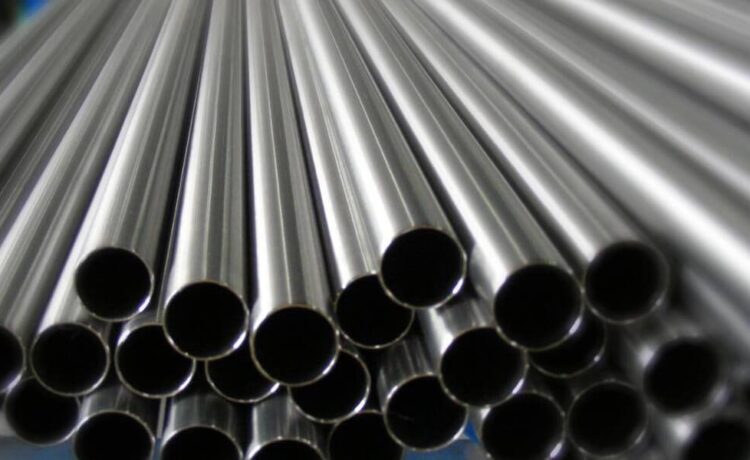
The world of steel pipes is more varied than most first-time builders realize. Straight-seam welded, seamless, and spiral-welded pipes each bring unique properties to the table. For example, seamless pipes are prized for their strength under pressure, making them ideal for structural roles, while welded varieties suit less demanding applications.
Dimensions, wall thickness, and weight are the next critical details. Even a slight error in wall thickness can undermine structural integrity or lead to unnecessary overspending. Manufacturers typically offer comprehensive charts so you can cross-check these specifications against your project’s requirements.
Material grade is another factor that can’t be overlooked. Higher-grade steel may boost corrosion resistance and tensile strength, which becomes crucial for outdoor or load-bearing roles.
Matching Steel Pipes to Your Construction Needs
Every construction site is different, so start with a clear understanding of your load requirements and environmental challenges. Are you building in a wet climate that could accelerate corrosion? Will your pipes carry significant structural weight or simply serve as conduits?
For foundation piles, you’ll need heavy-duty pipes capable of handling immense vertical pressure. Drainage projects require pipes with specific diameters to prevent bottlenecks and flooding. Even fencing and water wells have their own sizing and grade needs. Each choice affects your project’s longevity and safety.
Think about corrosion resistance as well. Galvanized or coated pipes can stand up to harsh conditions, preventing rust and extending their service life.
Sourcing Steel Pipes: Where and How to Buy?
Choosing where to buy your steel pipes can be as critical as selecting the pipe itself. Surplus and used pipes, especially from reputable distributors, can stretch your budget while maintaining quality. These surplus options are often inspected and sorted by experienced suppliers, so you get value without gambling on safety.
Not all suppliers are equal. Look for vendors with a wide selection, transparent inventory listings, and a willingness to provide technical support. Local distributors offer convenience, faster delivery, and the ability to check products in person.
When comparing prices, weigh cost against quality. Bargain bins can hide subpar pipes with hidden defects. Instead, prioritize vendors who combine competitive pricing with rigid quality controls. For those in North America, Stealth Pipe and Steel pipe a vendre is known for offering a vast selection of surplus and used steel pipes in a range of sizes and grades, making them a resource worth considering for both value and variety.
Customizing Steel Pipes for Your Project
Customization is often the secret weapon for getting the perfect fit. Services like cutting, welding, threading, or coating can tailor pipes to your blueprints and speed up on-site installation. Length adjustments eliminate waste, threading preps pipes for quick assembly, and coatings provide extra durability against weather or chemicals.
Working directly with suppliers who offer these services saves time and coordination headaches. It ensures every pipe arrives ready to slot into your build, boosting both efficiency and safety.
Ensuring Quality and Compliance
Inspection on delivery is non-negotiable. Look for consistent wall thickness, uniform coatings, and absence of structural defects like dents or excessive rust. Industry standards such as ASTM or CSA certifications signal a baseline level of quality and safety.
Common pitfalls include accepting pipes without proper documentation or settling for off-spec surplus that doesn’t meet your design needs. Always confirm that the pipes you receive align with both your drawings and local code requirements.
Planning for Logistics and Storage
Steel pipes are heavy and unwieldy. Before delivery, plan for safe unloading and transportation to your site. Improper storage can quickly lead to surface rust or deformation. Keep pipes off the ground with supports, cover them from the elements, and organize stock by size for easy access.
Managing inventory is especially important for large or multi-phase projects. Tracking what you have on hand saves time and prevents costly double-orders.
Selling and Recycling Steel Pipes After Project Completion
Surplus pipes don’t have to gather dust once your project wraps up. Many suppliers will buy back unused or used steel pipes, often arranging pickup and handling logistics. Recycling steel is not just environmentally responsible; it can also help offset some of your material costs.
Partnering with reliable buyers simplifies the process, ensuring you meet regulatory requirements and maximize your return without unnecessary hassle.
Selecting the right steel pipe is about more than ticking boxes on a spec sheet. With careful attention to detail, the right supplier, and a proactive approach to customization, you’ll set the foundation for a safe, efficient, and sustainable first construction project.