

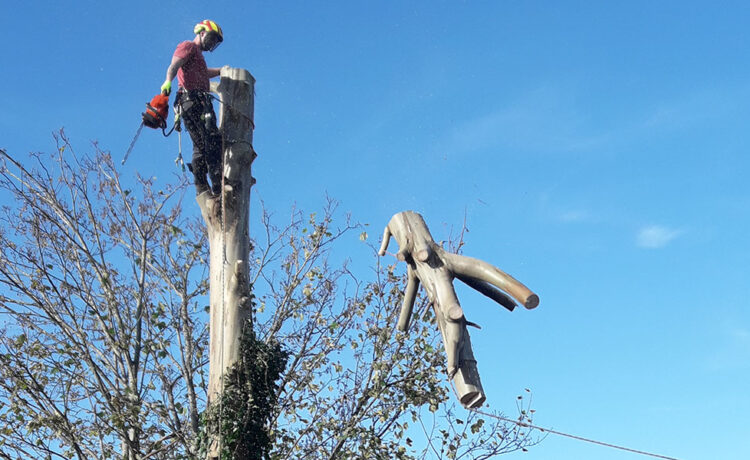
Planning prevents disasters during tree removals. Rushing into removals without preparation causes property damage, safety incidents, permit violations, and budget overruns. Thorough planning addresses equipment access, utility locations, fall zones, debris disposal, and regulatory compliance. The success or failure of tree removal service operations is determined by the quality. Problems discovered mid-removal create dangerous situations requiring expensive emergency solutions that proper planning prevents entirely.
Property damage prevention
Planning identifies vulnerable structures and landscaping requiring protection during operations. Trees falling toward houses, garages, or sheds need precise directional control. This comes only through careful planning. Driveways, patios, and sidewalks are protected before heavy equipment arrives. A heavy machine prevents cracking and surface damage. Work zones flag flower beds, shrubs, and ornamental plantings for relocation or removal.
Underground utilities need mapping before equipment movement and stump grinding begin. Water lines, septic systems, and irrigation networks all pose risks. Utility locate services mark buried infrastructure with flags and paint. This prevents accidental strikes during operations. Fence damage happens frequently during removals. Sections or debris contact barriers are causing breaks. Planning determines whether fence sections need temporary removal. This provides equipment access. Sections get reinstalled after completion. Window protection using plywood boards prevents glass breakage from flying debris or accidental equipment contact.
Budget control factors
Detailed planning generates accurate quotes. This prevents surprise charges after work begins. Site evaluations identify complications affecting pricing. Difficult access requires specialised equipment. Hazardous conditions demand extra safety measures. Disposal challenges arise from protected wood species. Property owners receive comprehensive estimates covering all anticipated costs. Basic quotes often balloon during operations when unforeseen issues surface. Permit research during planning stages prevents work stoppages and restart delays. Violations discovered during workforce operations will halt. Obtaining required permits before scheduling work avoids rescheduling costs and contractor standby fees. Seasonal timing decisions affect pricing. Winter dormancy changes the removal difficulty. Summer drought conditions alter equipment needs. Time removals to avoid rain, snow, and high winds.
- Coordinating equipment rental ensures proper availability and matching of removal requirements.
- Debris disposal arrangements confirm dump facility access and dumping fee schedules
- Ensures the size of labour crews matches the scope of the job, preventing overstaffing, waste, or understaffing
- Material salvage planning arranges firewood processing or timber milling, reducing disposal costs
- Replacement planting coordination schedules new tree installations immediately after removals
Scheduling coordination needs
Multiple parties require notification and coordination. Utility companies need to be warned about work near power lines. This allows scheduling bucket trucks for line lifting or temporary disconnections. Noisy neighbours, debris blocking driveways, and equipment blocking streets benefit from advance notification. A scheduled inspection may be required before, during, or after removals by municipal inspectors. These verify permit compliance. Contractor availability requires booking during peak seasons. Removal services get backlogged for weeks. Emergency removals disrupt schedules. Contractors must juggle commitments. Planned removals scheduled during slower periods often receive better pricing and more flexible timing. Weather contingency planning builds buffer time around scheduled dates. Rain delays affect operations. Ground conditions prevent heavy equipment access.
Planning prevents property damage through hazard identification. It controls costs via a comprehensive site evaluation. Multiple stakeholders require coordination. Their involvement determines whether removal operations proceed smoothly or encounter expensive, disruptive complications.