
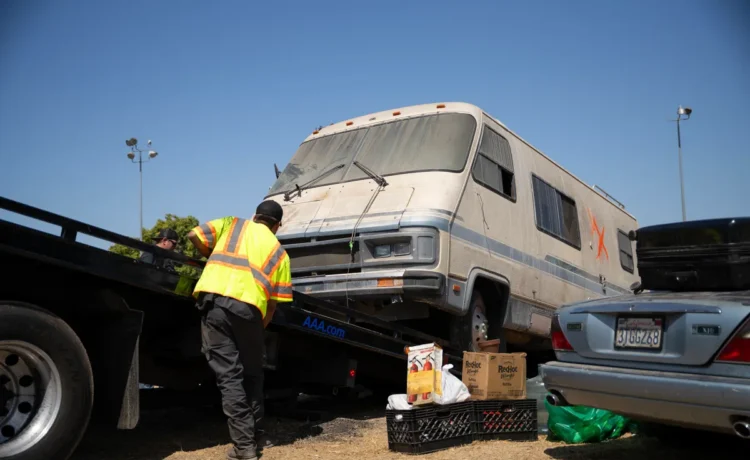
Non-running RVs present unique removal challenges compared to operational vehicles that drive onto trailers. Mechanical failures, expired registrations, flat tyres, and dead batteries prevent RVs from moving under their own power. Removal specialists use specialised equipment to extract inoperable motorhomes, travel trailers, and fifth wheels from properties regardless of operational status. Flatbed tow trucks handle smaller RVs. Heavy-duty wreckers manage larger motorhomes. Winch systems drag vehicles onto transport equipment. Wheel dollies allow towing despite flat or missing tyres. rv removal in Phoenix AZ desert climate creates additional complications as extreme heat accelerates deterioration, making older non-running units particularly fragile during extraction, requiring extra care to prevent structural damage during hauling processes.
Winch loading procedures
Vehicles unable to drive onto trailers get winched using cable systems rated for RV weights. Cable attachment points on RV frames must support pulling forces without tearing loose. Operators slowly winch vehicles up trailer ramps, monitoring for binding or structural failures. Wheel dollies positioned under axles allow sliding movement, reducing friction. Lubrication on ramp surfaces eases pulling on stubborn vehicles. Multiple attachment points distribute forces when a single point pulls, reducing the risk of frame damage. Operators pause periodically, checking cable tension and attachment security. Stuck vehicles require additional preparation, like deflating remaining tyres or removing debris blocking movement. Rocky or soft ground complicates winching as trailers lack stable bases.
Wheel and axle solutions
Flat tyres get replaced with spare tyres when available, allowing rolling movement. Tire inflation attempts sometimes work on tyres with slow leaks. Wheel dollies slide under axles, lifting yres off the ground, allowing towing without functional wheels. Dolly positioning requires jacking RVs high enough to slide the dollies underneath. Missing wheels get replaced temporarily, or dollies substitute for absent wheels entirely. Seized axles prevent wheel rotation, requiring dollies supporting full vehicle weight. Brake lockup from sitting idle gets released through manual brake release procedures or by disconnecting brake lines. Suspension failures, causing the frame to rest on axles, need lifting before movement begins. Axle damage from accidents or rust sometimes requires cutting away damaged sections before transport becomes possible.
Structural integrity concerns
Years of sitting create rot in wooden floor structures common in older RVs. Winching forces stress weakened frames, potentially causing collapse during loading. Water damage from roof leaks compromises wall integrity. Rusted frames crack when lifted improperly. Reinforcement becomes necessary before moving severely deteriorated units:
- Plywood sheets placed under RVs distribute lifting forces across larger areas
- Strap positioning avoids rotted sections, concentrating on solid frame members
- Partial dismantling removes heavy components before moving fragile main structures
- Protective wrapping prevents exterior panels from tearing loose during transport
- Speed restrictions during hauling reduce vibration stress on weak structures
Transport securing methods
Immobile RVs need extra securing beyond operational vehicles, as mechanical systems cannot assist during transport. Chain binders attach frames to trailer beds, preventing forward sliding during braking. Ratchet straps across multiple points prevent lateral movement during turns. Wheel chocks wedge against tyres, preventing rolling on trailer beds. Brake system disconnection prevents seized brakes from locking during transit. Towed RVs without working brakes require specialised tow vehicles with enhanced braking systems.
Wider loads need warning flags and escort vehicles. Height restrictions get checked along planned routes. Weight distribution across trailer axles gets calculated, preventing overloading. Non-running RV removal costs more than operational vehicle hauling due to extra equipment needs, increased labour time, and greater complexity, but services successfully extract even completely inoperable units from properties using specialised tools and techniques developed specifically for immobile vehicle recovery.