
In the UK, potable water systems must meet strict safety and quality standards to protect public health. One of the most important certifications engineers and specifiers need to understand is WRAS approval. Products used in contact with drinking water must be compliant, making WRAS approved components essential for plumbing, building services and industrial water systems.
What Is WRAS Approval?
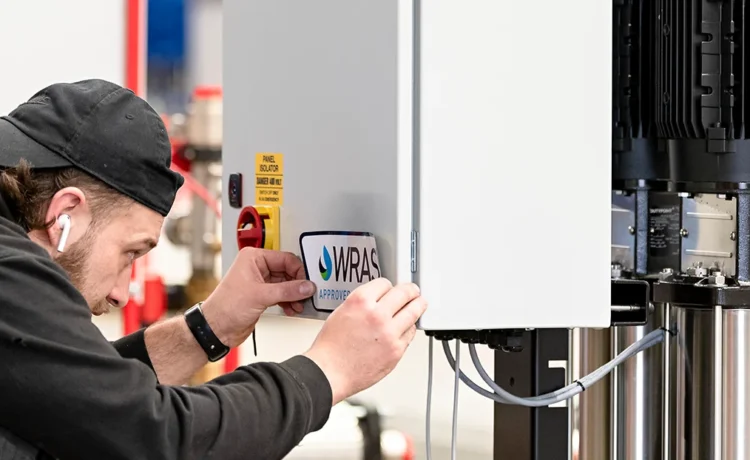
WRAS (Water Regulations Advisory Scheme) approval confirms that a product complies with UK water regulations and is safe for use with drinking water. Approval covers both the materials used and the performance of the product under normal operating conditions.
WRAS certification helps ensure that components:
- Do not contaminate drinking water
- Meet hygiene and safety requirements
- Are suitable for long term use in potable systems
Using approved products supports compliance with UK regulations and reduces the risk of installation issues or enforcement action.
Why WRAS Matters in Engineering Projects
Specifying WRAS approved products is not just the best practice, but often a requirement for potable water installations. Non compliant components can introduce risks such as chemical leaching, bacterial growth, or system failure.
WRAS approved products provide reassurance by:
- Demonstrating compliance with UK water supply regulations
- Simplifying approval processes with water authorities
- Reducing liability for designers, installers and operators
For engineers, this certification offers confidence that systems meet regulatory and safety expectations.
Products Commonly Requiring WRAS Approval
Many components used in potable water systems must carry WRAS approval, including:
- Valves and taps
- Pipe fittings and connectors
- Hoses and flexible connections
- Seals, gaskets and linings
- Water storage tanks
Ensuring all relevant components are approved is essential for maintaining system integrity and compliance.
Specifying WRAS Approved Components
When specifying products for potable water systems, engineers should:
- Check WRAS listings for current approval status
- Confirm pressure and temperature ratings align with system requirements
- Ensure compatibility with other system materials
- Retain certification documentation for compliance records
Careful specification helps avoid delays, redesigns, or costly replacements during installation or inspection stages.
Installation and Compliance Considerations
Even WRAS approved products must be installed correctly to maintain compliance:
- Follow manufacturer guidelines for orientation and connection
- Avoid mixing approved and non approved components in potable systems
- Conduct system testing and flushing before commissioning
Proper installation ensures approved products perform as intended and maintain water quality standards.
Frequently Asked Questions
Is WRAS approval legally required in the UK?
WRAS approval is not law itself, but it demonstrates compliance with UK water regulations, which are legally enforceable.
Do all pipe fittings need WRAS approval?
Only fittings used in contact with potable water require WRAS approval. Industrial or non-potable systems may not need it.
Can WRAS approval expire?
Yes. Approval can be time limited, so it’s important to check current certification before specifying products.
Is WRAS approval recognised across the UK?
Yes. WRAS is widely recognised by water authorities throughout England, Scotland, Wales, and Northern Ireland.
Final Thoughts
WRAS approval plays a vital role in the safety and compliance of potable water systems across the UK.
By understanding what WRAS certification means and how to specify approved components correctly, engineers can ensure water quality, meet regulatory requirements and deliver reliable systems. Using WRAS approved products is a straightforward but essential step in protecting both public health and project integrity.