
Every plate that leaves a modern steel plant in India now carries a story of software, sensors, and disciplined human judgment. The steel plate manufacturing process has moved from manual monitoring to a tightly orchestrated flow controlled by Level 2 and Level 3 systems, with real-time feedback across reheating, rolling, and finishing. Automation boosts consistency. AI uncovers patterns no spreadsheet can see. The result is simple to state and powerful in practice: better plates of steel delivered with higher certainty.
What Automation is Doing on the Mill Floor
Automation stabilises the variables that used to drift. Auto billet charging improves soak uniformity, adaptive reheating trims temperature scatter, and hydraulic AGC keeps thickness inside tight bands. Coil box automation manages thermal crowns, while accelerated cooling and controlled quenching maintain mechanical targets across the plate. Computer vision checks surface quality in motion, not hours later in a lab. Robots handle sampling and tagging so traceability is cleaner and faster. The outcome is repeatable geometry and chemistry, which shortens fabrication time and reduces rework risk.
Where AI Changes Decisions
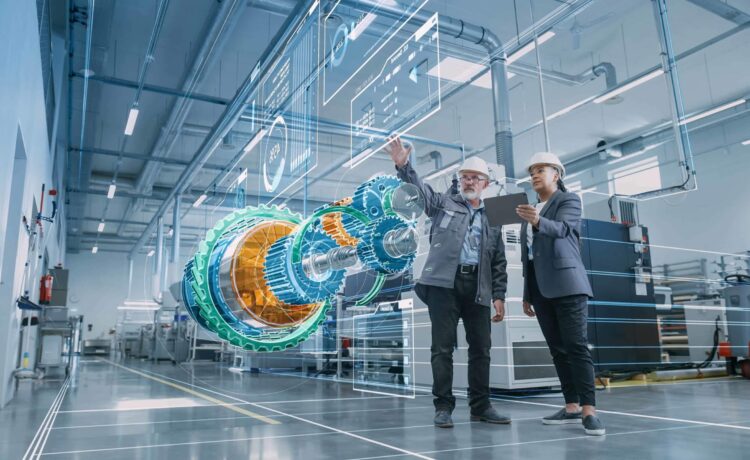
AI elevates decisions that once relied on intuition. Models forecast roll force and bending load from chemistry, slab history, and target thickness. Predictive maintenance anticipates bearing or gearbox issues before they steal uptime. Quality analytics correlate inclusion counts, cooling rates, and impact values, then recommend corrective actions that stick. Scheduling engines simulate the sequence of widths and grades to minimise transitions and idle time. Digital twins mirror the mill, letting teams trial process tweaks safely before touching steel. The effect is not hype, it is higher first time right.
Why This Matters for Buyers
For project owners and fabricators, automation and AI are not abstract. They change what shows up at the yard. You get tighter thickness and flatness, fewer welds, more reliable impact toughness, and certificates that map cleanly to required standards. Lead times improve because bottlenecks are visible earlier. Even packaging and dispatch improve when systems align cutting plans and logistics. When a supplier’s systems are mature, your site spends less time firefighting and more time building.
Human Oversight Remains the Control Point
Strong mills pair algorithms with experienced metallurgists, weld engineers, and operators. People decide how to apply an insight, what to verify, and where to set safe limits. They validate computer vision calls with manual inspection when the stakes are high. They tune TMCP, normalised, or Q+T routes to match forming and welding plans. Human oversight is the reason advanced mills keep improving without losing process discipline.
What to Ask Your MS Plate Supplier
If you want technology to translate into value, ask specific questions.
- Which stages of the steel plate manufacturing process are closed loop, and which are advisory only
- How predictive models are validated against destructive test results, and how often retraining occurs
- What vision systems catch, and how false positives are handled
- How traceability is maintained from slab to plate, and how retests are triggered
- Which metrics are used for schedule adherence, and what happens when a heat drifts
- How welding support aligns with your procedures, and whether pre-qualification coupons are available
Conclusion
Automation and AI are now table stakes for a high-quality plate. The differentiator is how well a mill integrates data, equipment, and people into one learning system. Choose partners that show you the dashboards, walk you through the heat history, and welcome audits. That is how technology confidence becomes project certainty for buyers of plates of steel.