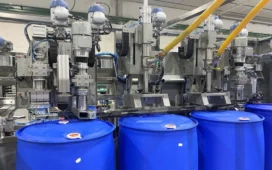

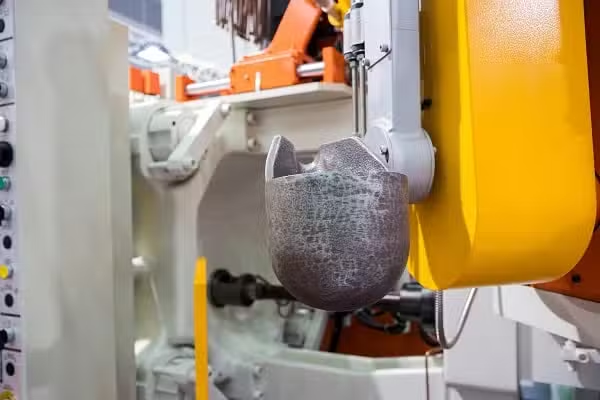
Die casting has become a significant part of industrial production, shaping numerous durable components with remarkable detail. It uses molten metal to form intricate shapes with accurate results and consistent surface finishes. This process delivers reliability while maintaining quality for small- or large-scale production. The method saves time through controlled techniques and advanced tools. Industries trust this approach for its accuracy and strength in manufacturing performance-driven parts through vietnam high pressure die casting.
Precision Through Modern Techniques
Modern advancements have improved die casting by enabling tighter tolerance levels. Newer equipment measures temperature and flow to ensure flawless formation of shapes. Machines regulate each step to deliver uniformity across every mold produced. This combination of precision and monitoring ensures greater stability and long-term reliability.
Efficiency In the Manufacturing Process
Efficiency is the core reason industries rely on die casting methods. This approach lowers material waste through precise metal flow and quick solidification. It requires minimal machining, reducing total production time while maintaining quality. Energy control systems optimize every cycle for better yield and consistent performance.
- Lower production time gives faster delivery to industrial clients
- Consistent mold structure maintains reliable product dimensions throughout
- Reduced metal waste enhances cost-effective manufacturing operation
- Smooth mold removal increases part durability and performance.
- Controlled cooling maintains internal strength with uniform density.
Material Versatility And Durability
The die casting process supports a range of metals that meet diverse strength demands. Aluminum, zinc, and magnesium-based alloys are commonly used for different product applications. Their toughness and corrosion resistance make them suitable for long-term utility. Each alloy contributes to better adaptability for both small and large mechanical components.
Understanding the Metal Molding Process
Die casting involves molten metal being injected into reusable molds under controlled pressure. The technique ensures strong construction with defined edges for each finished part. Its capability to maintain structural balance makes it ideal for high-strength needs. The vietnam high pressure die casting helps manufacturers achieve consistency with reduced production time and waste.
Quality Assurance And Sustainability
Every step in die casting production involves inspection for structural balance and finish. Precision measurement tools verify the density and accuracy of each molded part. Recycling systems reduce excess metal, promoting sustainable production cycles with minimal impact. These combined factors create an eco-conscious yet highly efficient method of industrial fabrication.
The growing reliance on this process demonstrates its role in producing reliable products with consistent quality. Manufacturers continue to enhance their techniques through automation and research to maintain steady output. Its balance between quality and speed has shaped modern industrial production across several segments.