
The agricultural supply chain describes the full journey a food product takes from the farm where it is grown to the table where it is eaten, passing through processing, distribution, and retail along the way. Unlike many other industries, agriculture must contend with perishable goods, seasonal production cycles, and weather-dependent supply, all of which make coordination between stakeholders especially challenging. Understanding how this chain functions helps explain why disruptions at any single point can quickly affect food availability and prices.
Managing perishable goods and fluctuating seasonal yields makes the interconnected agricultural supply chain one of the most complex networks in global commerce, requiring precision, timing, and close coordination across every stage from farm to table.
Key Stakeholders Along the Chain
The modern agricultural supply chain involves input suppliers providing seeds, fertiliser, and equipment; farmers producing raw commodities; processors transforming those commodities into finished goods; and logistics providers, wholesalers, and retailers moving products to consumers. Each stakeholder depends on the reliability of the others, since a delay or shortage at one stage can create bottlenecks further along the chain. Coordination between these groups, whether through contracts, cooperatives, or shared platforms, is essential to keeping goods moving efficiently.
The Challenge of Perishability and Seasonality
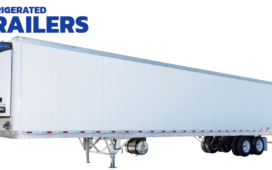
Unlike manufactured goods, agricultural products often have a limited shelf life and are produced in concentrated seasonal windows, creating unique logistical pressures. Storage, cold-chain transportation, and timely processing become critical to preventing spoilage and waste. Seasonal gluts can also depress prices at harvest time, while off-season demand may require importing goods or relying on stored inventory, both of which add complexity to supply planning.
Technology’s Growing Role in Supply Chain Visibility
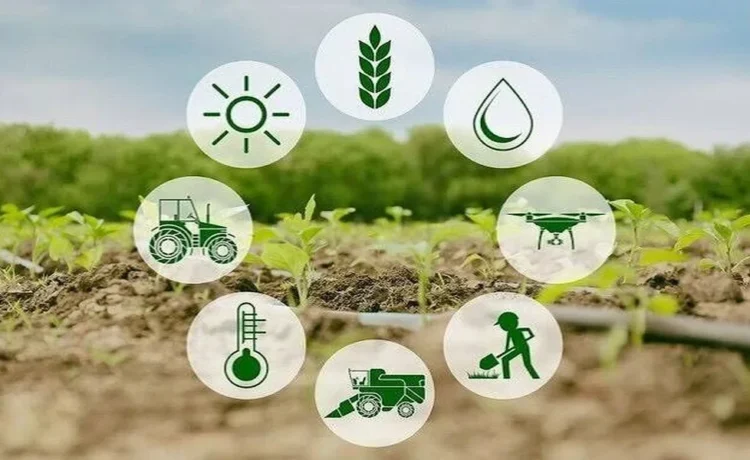
Tools such as GPS tracking, sensor-based monitoring, and digital record-keeping are increasingly used to trace products from farm to consumer, improving both food safety and efficiency. This visibility helps identify where losses occur, whether from spoilage, inefficient routing, or handling errors, allowing stakeholders to address problems more precisely. Greater transparency also supports growing consumer interest in knowing where and how their food was produced, which is reshaping expectations across the industry.
Reducing Waste and Building Resilience
A significant share of food produced globally is lost between the farm and the final consumer, often due to inadequate storage, transportation delays, or mismatched supply and demand. Strengthening infrastructure, improving forecasting, and building redundancy into transport and storage options all help reduce these losses. A more resilient supply chain can also better absorb shocks such as extreme weather, equipment failures, or sudden shifts in demand without major disruptions to food availability, protecting both producers and consumers from steep price swings.
Conclusion
The modern agricultural supply chain is a complex, interconnected system that depends on coordination among many stakeholders operating under the unique pressures of perishability and seasonality. Technology is increasingly helping to improve visibility and reduce waste, but the fundamental challenge remains keeping goods moving reliably from farm to table. A well-functioning supply chain benefits not only producers and businesses along the way but also the consumers who depend on consistent access to food.