
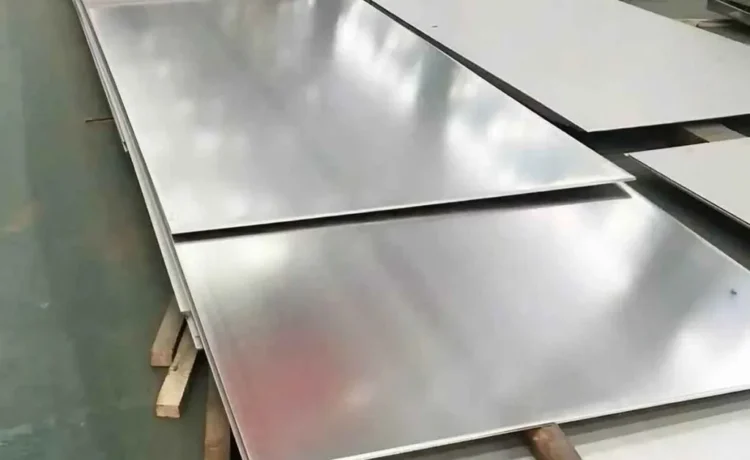
Steel plates have applications such as high-rise buildings to bridges. MS plates are flat sheets noted for their ease of weldability and tensile strength, durability, and longevity. These are portable sheets and are available in many shapes and sizes.
The right type of MS steel will be THE reason behind the success of your project. So, take some time to decide the type of MS steel you need.
Here’s what a buyer should keep in mind when buying MS plates:
Finding a Reliable Supplier
The manufacturer of steel should have a good brand reputation and customer reviews. You want to do your homework before you contact or visit a supplier. Check if the supplier has the required certifications and meets the necessary standards. Requesting material samples can also help you make a sound decision.
The supplier should tick the boxes such as timely delivery, customer service, has proper stock, and offers customizations of cutting or coating.
Understanding the Grade and Standards
While buying MS steel plates, check if they meet the national and international standards. The common grades are ASTM A36, IS2062, and EN10025. Be sure to ask the manufacturer for the mill test certificate (MTC). It will validate the grade and compliance, and is a straightforward way to confirm that the steel plates meet the necessary standards. The grade of the steel plates gives strength and quality to the surface.
Price vs Quality
While it may be tempting to choose the cheapest option, that may not work all the time. Construction is a long-term investment. Mild steel plate price, if you choose the most affordable one, the plates you get may be of low quality and can jeopardize the structure. This increases the repair and maintenance costs. Compare the prices, but always choose quality over price. Smooth and rust-free steel plates cause less corrosion.
Selecting the Right Thickness and Size
MS plates’ thickness depends on the project. Thinner plates in the range of 5mm to 20mm are best for lighter structures. The thicker ones, which are over 20mm, are ideal for heavy-duty projects.
The MS steel plate types vary depending on the type of project. If you’re not sure, take the advice of the suppliers as they have enough knowledge about the needs of your project. Higher steel plate thickness improves load capacity.
Surface Treatments and Coatings
If your project will be exposed to harsh weather conditions, surface treatments can add protection to the plates. Galvanisation and coatings to keep corrosion at bay, so do your research before choosing an MS plate supplier. The plates have to be durable, usually in environments where corrosion is common.
Conclusion
Choosing the right MS steel plates does not have to be a complicated task. Get in touch with a supplier you think is reliable and discuss the specifics of your project. It may take some time deciding which supplier is good for your project, but by keeping the aspects above in mind, you’re setting your project up for success.